All protocolsMMSSMTPFTPCloud StorageLive Stream
How it works

How MMS gets the image out

  1. 1Sensor triggers
  2. 2Capture JPEG frame
  3. 3Encode to carrier size limit
  4. 4Cellular session to MMSC
  5. 5MMS delivered to phone

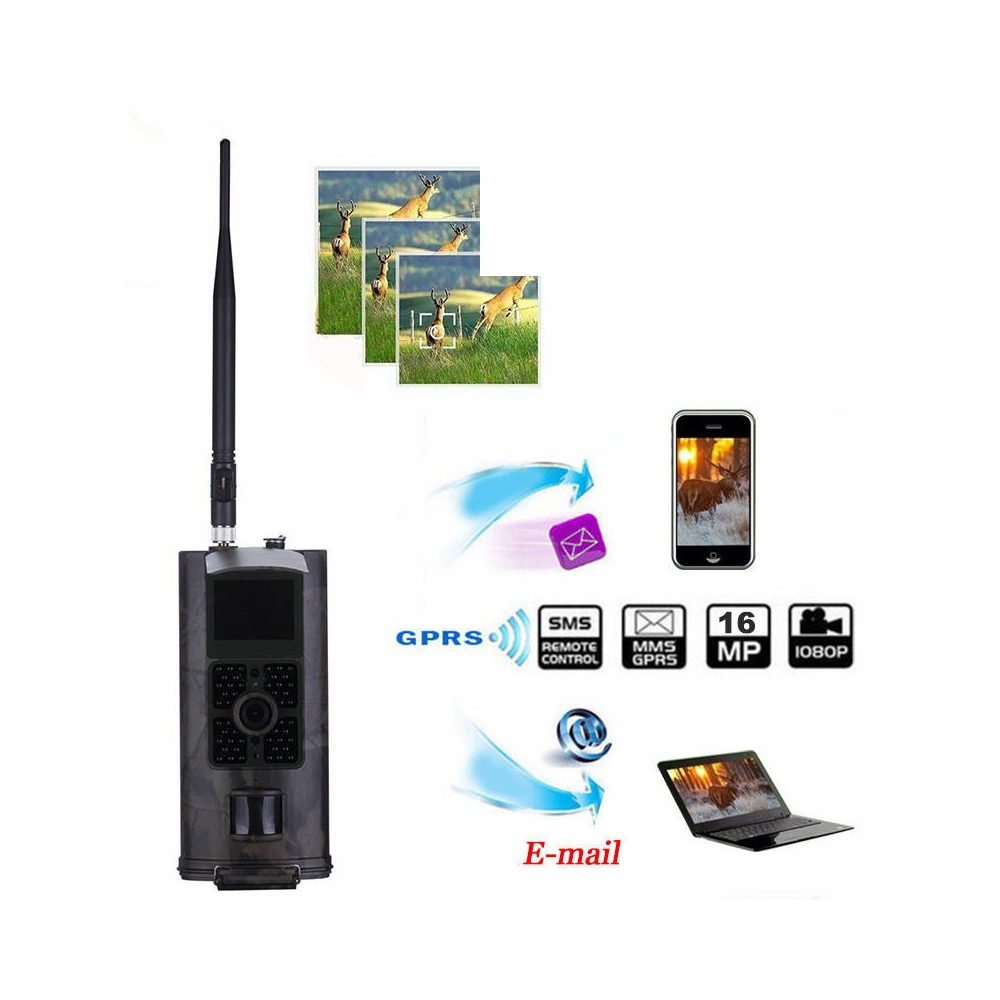
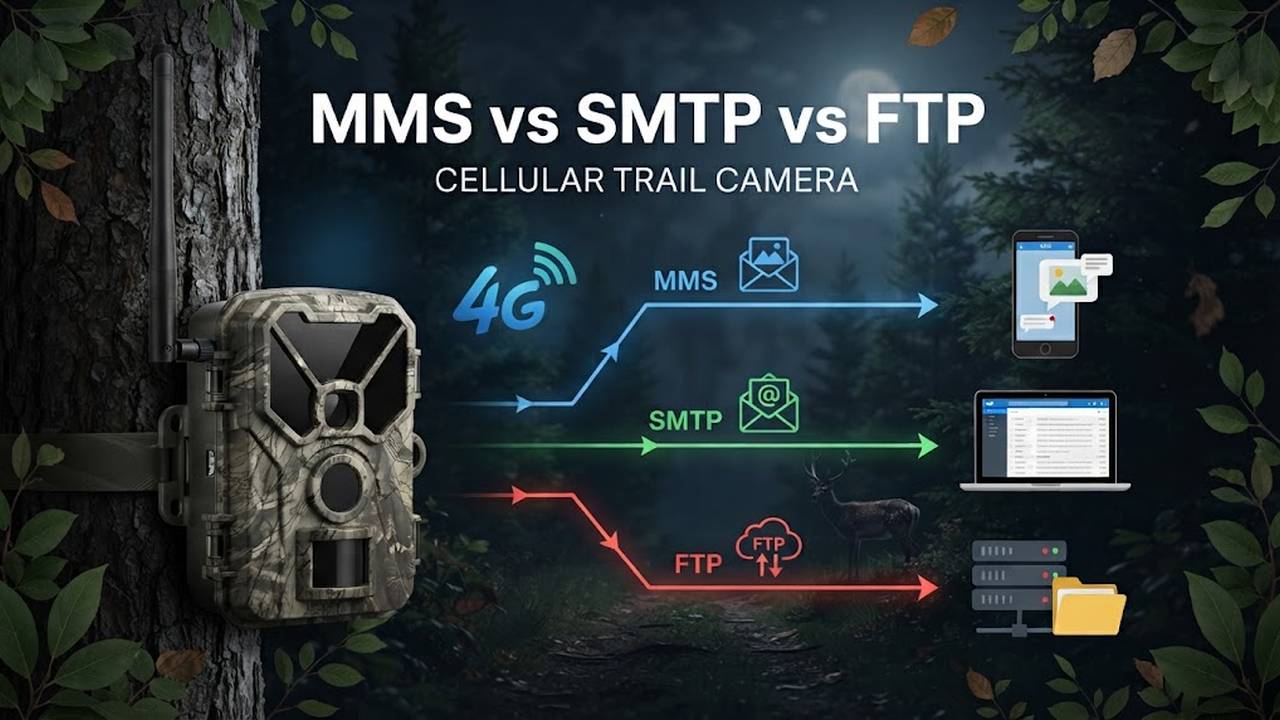
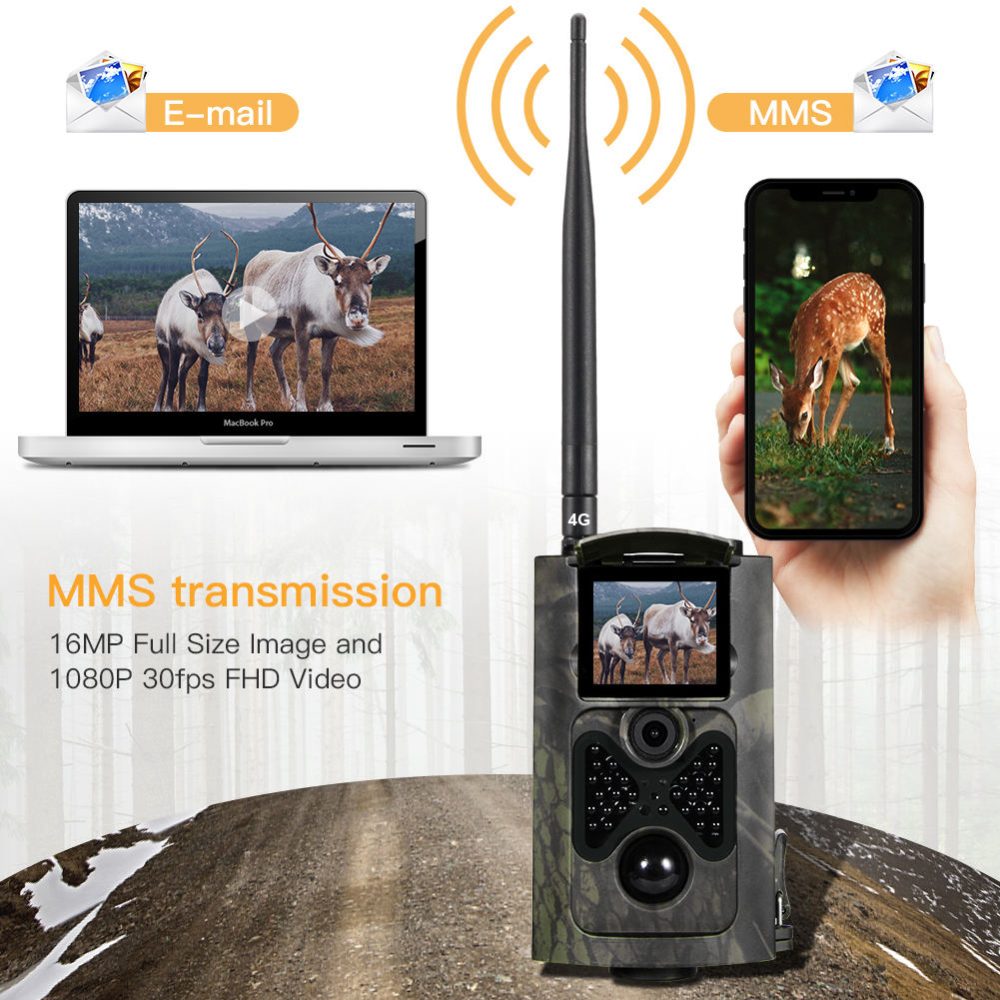
When a sensor is triggered the camera captures a frame, encodes it as a JPEG and attaches it to an MMS message. The modem opens a cellular session to the carrier MMSC and delivers the picture to one or more recipient phone numbers. A standard voice+ SMS-capable SIM (2G/3G/4G) is all that is required.

Delivery is near-instant and needs no internet plan beyond the SIM. The trade-off is image size: carriers cap MMS attachments (often ~160 KB), so photos are compressed. You pay per message, which keeps cost predictable for low-frequency alerts.

At a glance

Key parameters

TransportCellular MMS (2G/3G/4G voice + SMS SIM)
Attachment limit~160 KB per image (carrier cap)
LatencyNear real-time (seconds)
RecipientsAny mobile number
Cost modelPer-message (per MMS)
App requiredNo
Features & characteristics

What makes MMS different

How to choose

When to use MMS

Choose MMS when you need a guaranteed photo on a phone without building an app or cloud backend. It is the simplest connected mode and the easiest to explain to end customers.

Pick SMTP when you want photos in an email inbox, Cloud/API when you are building your own platform, and Live Stream when you need real-time video instead of snapshots. MMS is the right default for straightforward alerting.

Best fit

  • You only need a photo on a phone
  • No app or cloud backend to build
  • Remote areas with basic coverage
  • Low-cost, predictable alerting

Look elsewhere if

  • You need live video
  • You need large image archives
  • You need API or platform integration
FAQ

Common questions about MMS

How is MMS different from a text alert?
A text alert sends only words. MMS sends the actual photo so you see the scene the moment it happens.
What kind of SIM card is required?
Any standard cellular SIM with voice and SMS (2G/3G/4G all work). No data plan is needed.
Why are the photos small?
Carriers cap MMS attachments (usually around 160 KB), so images are compressed before sending.
How much does each photo cost?
You pay per MMS at your carrier rate. At low alert frequency the cost stays very predictable.
Can photos go to multiple numbers?
Yes. Multiple recipient numbers are supported for team or client alerts.
Products

Cameras that support MMS
From the blog

Related articles

Need a custom MMS solution?

Talk to our engineering team about OEM/ODM, white-label firmware and API integration.

Contact engineering →