All solutionsHuntingWildlife MonitoringFarm SecuritySite Security
Overview

Why Wildlife Monitoring

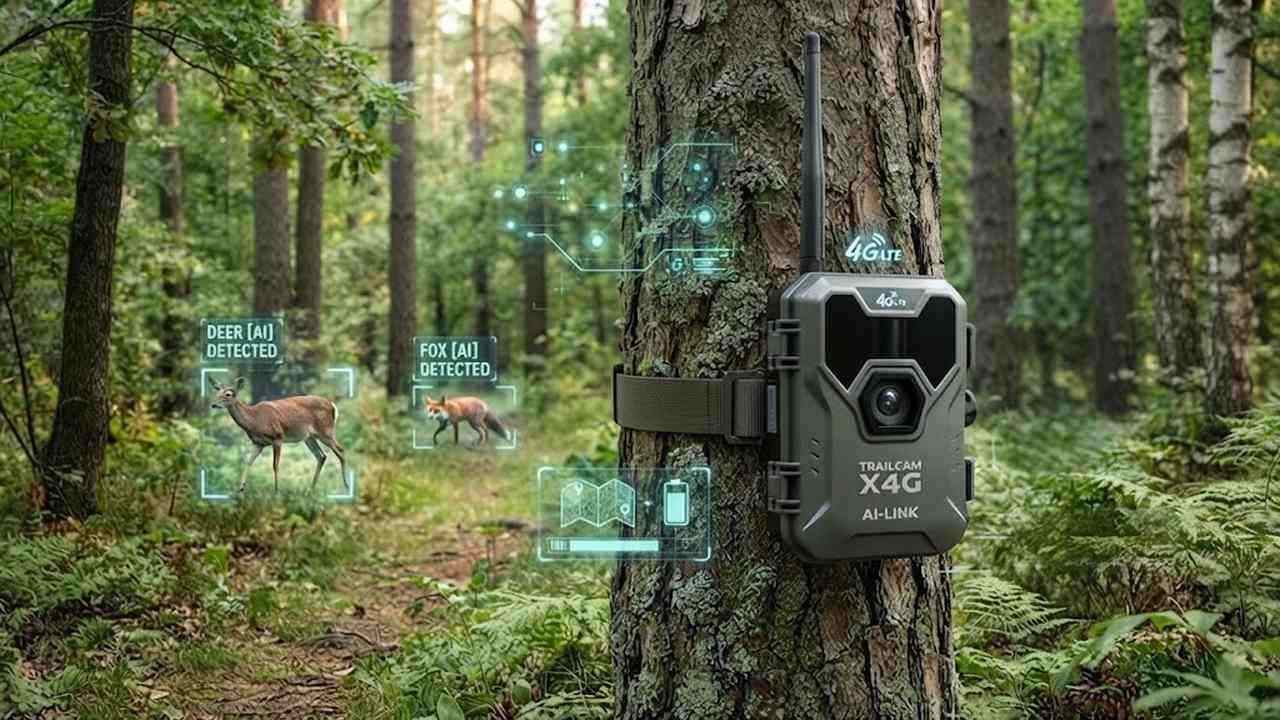
A camera-trap study can run for a year across dozens of sites. The work is in the archive, not the alert. Cloud-storage and FTP models push every image to a server or bucket with timestamps and device IDs, so the data set stays consistent and recoverable. Solar models keep a site alive where swapping batteries is not practical, and 4G connectivity reaches biodiversity hotspots with no internet backbone.
Featured cameras

Cameras built for Wildlife Monitoring
Capabilities

What Wildlife Monitoring demands from a camera

How to choose

Choosing cameras for Wildlife Monitoring

Use cloud-storage models when you want images in a managed platform with a web view for biodiversity surveys. Use FTP models when your team already runs its own storage and would rather pull raw files via remote FTP upload. The solar cloud model is the default for remote sites with no easy site access.
Common questions

Wildlife Monitoring FAQ

Can images go straight into our own storage?
Yes. FTP models write to your server or bucket; cloud models expose an API so you can pull or forward frames into your own pipeline.
How long can a camera run unattended?
The solar cloud model sustains itself through daylight charging; with a healthy battery it runs continuously through seasons without a site visit.
Is there a resolution trade-off for archival volume?
No. The 4K FTP model captures full detail and still uploads efficiently; you control capture interval and resolution in firmware.
Do you support study-scale fleets?
Yes. We provision fleets with consistent firmware, device naming and bulk data plans for research institutions.
From the blog

Wildlife Monitoring guides & stories

Need a Wildlife Monitoring trail camera built to spec?

Talk to our engineering team about OEM/ODM, white-label firmware and volume programs.

Contact engineering →