Full-Color Trail Camera Manufacturer
No-glow is the mainstream need — night starts in black and white
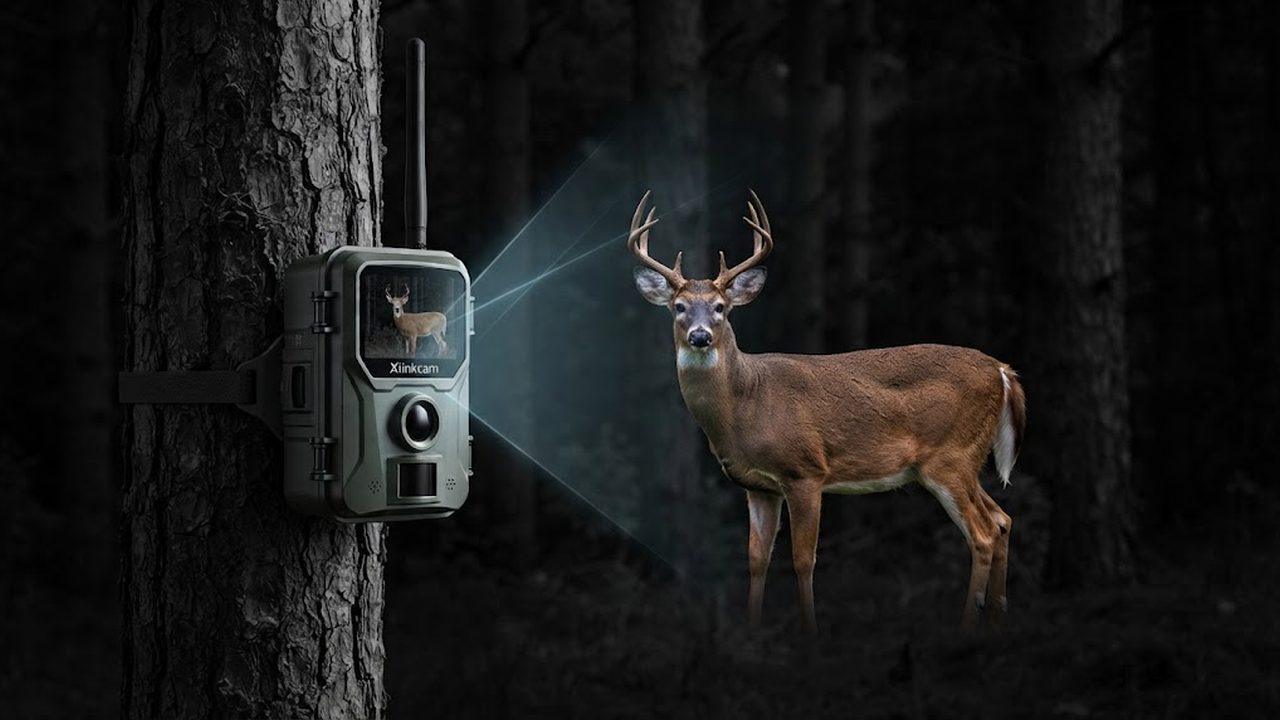
Most buyers shopping for a trail camera today are not asking for a flash. What they want is no-glow: invisible infrared illumination that captures at night with no visible light, so it does not spook game or reveal the camera's position. On a no-glow unit, night footage is normally black-and-white — and that is exactly what the mass market wants for stealth. Covert, quiet, unnoticed.
Starlight full color: it upgrades low-light black-and-white to color
This is where starlight full color fits, and it is an upgrade, not a different world. A starlight-grade low-light sensor does not replace no-glow — it builds on it. In the same dim conditions where a standard no-glow camera would record black-and-white (moonlight, a starlit sky, a sliver of ambient glow), the starlight sensor renders that scene in color. The improvement is precise: it turns the low-light black-and-white into low-light color, while keeping everything buyers like about no-glow — invisible, no flash, no spook.
The honest line has not changed: with no light at all, starlight full color still drops to monochrome, just like every other covert camera. It adds color where there is already some light to work with; it does not pretend to invent color from a pitch-black scene. That is the real, defensible claim — not "color in total darkness."
White-flash full color: real drawbacks, not mass demand
We have built white-flash units too, so this is said from experience, not theory. A visible flash does produce vivid color at night — but the cost is real. The flash is a bolt of light in the dark: it spooks wary animals (mature deer go flash-shy), it announces the camera's location to anyone nearby (a theft risk on public land), and it draws more power from the battery. For a narrow case where guaranteed color matters more than staying hidden, it works. But it is clearly not what the mass market wants from a trail camera. The drawbacks are built into the approach.
We spent two years on it — and customers love it
As a trail-camera factory with years in this category, no-glow is our bread and butter, and we know the white-flash limits well. Starlight full color was the natural next step: keep the no-glow stealth everyone wants, and add color in the low-light scenes that used to be only black-and-white. We spent two years tuning the sensor, the optics, and the firmware so the color holds up in real field conditions, not just on a bench.
When we shipped it, customers came back saying the starlight full color was exactly what they had wanted — still covert, now with color in the low light. That response is why we are confident this is the direction night vision is headed: built on the no-glow foundation the market already trusts, not against it.
What a full-color trail camera should deliver
A proper starlight full-color unit does three jobs at once:
- Adds color in low light, stays black-and-white when there is none. In moonlight or ambient glow the footage is color; in total darkness it falls back to monochrome — honestly, like any covert camera. No false promise of color from nothing.
- Stays invisible. With no visible flash and no red glow, the camera keeps working covertly for security and research alike.
- Does not drown the user in blanks. Color only helps if the right frames reach the user. On-device AI that separates deer, hogs, and people from grass and rain means the SD card and the data plan get spent on real events, not empty frames.
The practical result is fewer "my camera sends nothing useful" tickets and a product customers actually trust to catch the moment.
One more point: two routes to "color at night"
There are two ways a trail camera ends up with color at night, and as a Shenzhen OEM/ODM factory we build both.
The first is in-camera starlight full color — color captured by the sensor itself, in the low light already there. This is where our engineering leads: sensor tuning, optics, and firmware are ours to deliver, so it sits at the front of what we make.
The second is cloud AI colorization — the camera shoots monochrome and software paints approximate color on afterward, usually as a subscription add-on. It is a real feature, and we can build it when a client specifies it, because software and cloud sit inside the OEM/ODM scope we hand to the customer to define.
The distinction is about ownership. Starlight full color is our core output — hardware technology and customization depth. Cloud AI colorization is more often the customer's own market-facing feature, built on what we manufacture. We are the factory behind it, not the one writing the front-end pitch.
Manufacturer vs trading factory
Two full-color cameras can look identical on a listing and perform very differently a year later.
| Aspect | Typical trading factory | What Xlinkcam builds for |
|---|---|---|
| Mainstream night mode | No-glow, but often black-and-white only | No-glow, plus starlight full color in low light |
| Stealth | Visible flash, or faint red dot (850nm) | 940nm no-glow, no visible glow |
| In-camera low-light color | Often black-and-white only | True starlight color from the sensor |
| Cloud AI colorization | Some offer as subscription add-on | Buildable on request (OEM/ODM scope) |
| Total darkness | Drops to monochrome | Drops to monochrome (honest, same) |
| On-device AI | Rare; clips sent raw | Species ID + false-trigger filtering on device |
| Cellular compliance | Often no EU radio certification | CE-RED (2014/53/EU) on cellular models |
| Build quality | Varies by batch | BSCI- and ISO-certified factory, consistent QC |
| Weathering | Basic seal | IP66 housing built for years outdoors |
| Customization | Fixed product | Define body, firmware, and platform from scratch (0 to 1) |
| Business model | Tied to one plan | You choose: free cloud, paid plan, or self-host |
| Warranty | Vague | Backed by real return-rate data |
The two points buyers overlook most: CE-RED certification and the business model. If your cellular cameras ship to Europe, EU law requires radio-equipment compliance — many factories cannot provide it, and a smooth import turns into a customs problem. And on a cellular camera, the data plan should be your choice to offer, not the factory's lock-in. We build the product around whichever model you pick: free cloud, a paid plan, or your own server.
Choosing the right full-color camera for your market
Start from how the camera will actually be used. Almost every buyer wants no-glow — stealth is the baseline. On top of that, starlight full color is the upgrade most markets now expect: color in the low light, with no flash and no spook. A white flash only makes sense for the narrow case where guaranteed color matters more than staying hidden, and even there the theft and spook risk is real. A brand that understands both can place each unit where it actually wins.
If you are scoping an OEM or ODM full-color camera, our OEM/ODM guide walks through the questions to settle early — and our API documentation covers how the data side connects to your platform. You can also review our full technology overview and certifications, or see where these cameras fit across our solutions and company.
The bottom line
A full-color trail camera is not one magic product. No-glow is the mainstream need, and night vision there starts in black-and-white. Starlight full color is the upgrade that turns that low-light black-and-white into color — while still dropping to monochrome when there is no light at all. White-flash color exists, but its drawbacks keep it out of the mass market. Pick a manufacturer that builds starlight full color from the sensor up, is certified for your market, and is smart about the AI layer, and "color at night" becomes something your customers can rely on.
Want to talk through specs and volumes for your market? Reach out and we will scope it with you.